
Second citizenship and residency: 15 programmes
We match you with a programme that fits your goals, budget and family. We vet your profile before anything is filed, prepare the documents and stay with your case until the passport or residence card is in your hands.
Programme finder
2026 figuresWhat is your goal?
Caribbean passports with no residence requirement
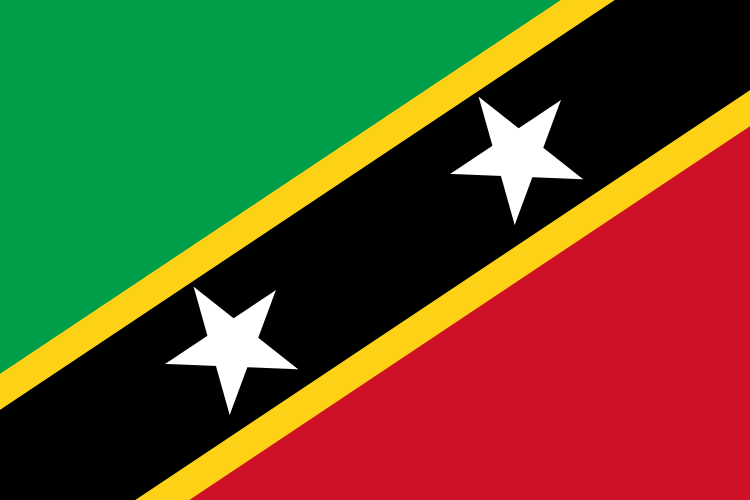 Saint Kitts and NevisMost popularThe longest-running programme, since 1984 from US$250,0006-9 months
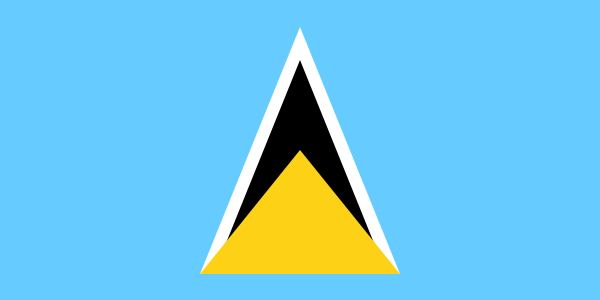 Saint LuciaThe shortest timeline in the Caribbean from US$240,0003-4 months
 Antigua and BarbudaFund donation or real estate purchase from US$230,0003-6 months
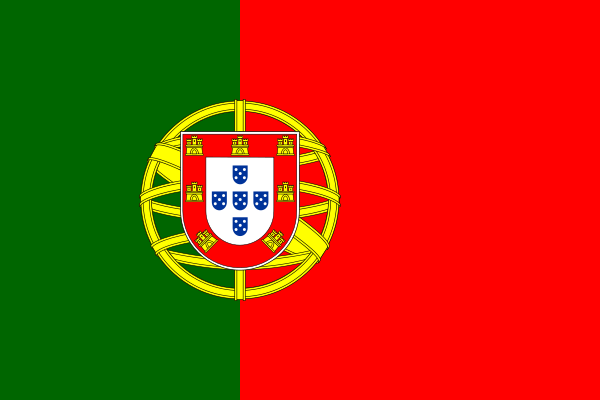
Citizenship figures show the contribution for a single applicant, residency figures the investment required. Government fees and due diligence are charged separately.
Citizenship contribution paid only after approval
Discuss my situationCitizenship or residency: which one fits your plans
They solve different problems. A second passport is a fallback and freedom to travel, a residence permit is for living in one specific country. Here is how they compare on the points clients ask about first.
| 8 points | CitizenshipA second passport by investment | Residence permitThe right to live in a country |
|---|---|---|
| 01What you get | A second country's passportFor life, and passed on to your children | A residence cardThe right to live, work and run a business there |
| 02Do you need to live there | NoMost programmes don't require a single visit | Yes, in most programmesThe exception is Greece's Golden Visa, with no minimum stay |
| 03Investment | From US$ 90,000A non-refundable fund contribution or a property purchase | Usually noneProof of income or your own business. In Greece, from €250,000 |
| 04Processing time | 6 weeks to 9 monthsDepends on the programme and the size of your family | From 25 daysTo the first residence card, depending on the country |
| 05Family in the application | Spouse, children, parentsSome programmes also include siblings | Spouse and childrenWhich other relatives qualify depends on the country |
| 06Validity | For lifeThe passport is renewed like any other | 1-5 years, renewableThen permanent residence and, after several years, citizenship |
| 07Your current citizenship | You keep itCheck that your home country allows dual citizenship | UnaffectedA residence permit doesn't change your nationality |
| 08Best for | A backup passportFreedom to travel and a plan B for the family, without relocating | RelocatingLiving in one country, your children's schooling, running a local business |
| Figures as of October 2026 | Citizenship programmes | Residency programmes |
You don't have to choose one
Some clients take EU residency to live and school their children there, and keep a second passport as a fallback. We'll suggest the right order and what both will cost together.
Citizenship by investment and residency programmes
15 programmes across the Caribbean, Europe, Asia, the Pacific and Africa. For each one: the contribution, a realistic timeline and a detailed page with the requirements.
Not sure where to start?
Get a shortlistCitizenship by investment
Region
Sort by
-
Saint Kitts and Nevis
Caribbean · the longest-running programme, since 1984 from US$250,000 6-9 months -
Grenada
Caribbean · parents and siblings in one application from US$235,000 4-6 months -
Antigua and Barbuda
Caribbean · fund contribution or real estate from US$230,000 3-6 months -
Dominica
Caribbean · the lowest contribution in the region from US$200,000 4-5 months -
Saint Lucia
Caribbean · the shortest timeline in the region from US$240,000 3-4 months -
Vanuatu
Pacific · one of the fastest programmes from US$130,000 1-2 months -
Nauru
Pacific · no travel required at any stage from US$115,000 3-4 months -
São Tomé and Príncipe
Africa · a family of up to 4 for US$ 95,000 from US$90,000 6-10 weeks -
Egypt
Africa · several investment options from US$250,000 3-6 months
Contributions are for a single applicant and exclude government fees and due diligence. Timelines run from submission to passport and depend on family size. Figures as of October 2026.
Residence permits
Route
-
Spain
Digital nomad visa for remote workers Income No investmentOur fees from €2,200 up to 3 years -
Portugal
Residence through your own business in Portugal Business No investment from 1 year -

Hungary
White Card for remote professionals Income No investment 1+1 years -

Greece
Golden Visa through property purchase Property from €250,000 5 years -

Indonesia
KITAS for living and doing business in Bali and Indonesia Income or business No investment 1-2 years -
Mexico
Temporary residency based on income or savings Income No investmentDetails on a call 2-4 years
Permit length is for the first residence card, which is then renewed. Income and document requirements are on each programme’s page. Figures as of October 2026.
Can’t see your country, or unsure which to pick?
We’ll go through your situation on a callCitizenship by investment programmes compared
Cost and timelines are in the catalogue above. This is what usually comes up later, on a call: investment options, whether there is an interview or a trip to the country, who can join the application and where the passport travels visa-free.
| Investment and process | Visa-free | |||||
|---|---|---|---|---|---|---|
| Programme | Investment options | Interview | Travel to the country | Family in the application | Schengen | UK |
| Caribbean | ||||||
| Saint Kitts and Nevis | Fund: US$ 250,000Property: from US$ 325,000, held 7 years | Yes, online | Not required | Children under 30, parents 55+ | Visa-free1 | Visa-free |
| Grenada | Fund: US$ 235,000Property: from US$ 270,000, held 5 years | Yes, online | Not required | Children under 30, parents, brothers and sisters | Visa-free1 | Visa-free |
| Antigua and Barbuda2 | Fund: US$ 230,000Property: from US$ 300,000, held 5 years | Yes, online | 5 days in the first 5 years | Children under 30, parents 55+, brothers and sisters | Visa-free1 | Visa-free |
| Dominica2 | Fund: US$ 200,000Property: from US$ 200,000, held 3 years | Yes, online | Not required | Children under 30, parents 65+ | Visa-free1 | Visa needed |
| Saint Lucia | Fund: US$ 240,000Property: from US$ 300,000, held 5 years | Yes, online or at an embassy | Not required | Children under 30, parents 55+, siblings under 18 | Visa-free1 | Visa needed |
| Pacific | ||||||
| Vanuatu | Fund: US$ 130,000 | Only on request | Biometrics in Port Vila, Dubai or Hong Kong | Children under 25, parents 50+ | Visa needed | Visa needed |
| Nauru | Fund: US$ 115,000US$ 90,000 under an offer until the end of 2026 | Yes, online | Not required | Children of any age, parents, brothers and sisters | Visa needed | Visa needed |
| Africa | ||||||
| São Tomé and Príncipe | Fund: US$ 90,000Family of up to 4: US$ 95,000 | No | Not required | Children under 30, parents 55+ | Visa needed | Visa needed |
| Egypt | Payment: US$ 250,000Property: from US$ 300,000Deposit: US$ 500,000 for 3 years | We’ll confirm on a call | Yes: biometrics and passport collection | Children under 21, no parents | Visa needed | Visa needed |
Schengen access for Caribbean passports. Visa-free travel still applies, but in June 2026 the European Commission asked the five Caribbean states to close their programmes by 1 June 2028 or risk suspension. The next EU report is due in December 2026. We track the decision and raise it before you apply.
United States. Since 1 January 2026 the US has partly restricted visas for citizens of Antigua and Barbuda and Dominica. If US travel matters to you, we factor this into the choice.
Not sure which programme fits your passport and travel plans?
Get a shortlistHow citizenship by investment works
Five stages from the first call to your passport. You pay the main contribution only after the government approves your application.
- up to 5 days
Consultation and profile check
We choose the programme and look at the risks early: source of funds, past visa refusals, current nationality.
Free consultation - 2-4 weeks
Documents
A checklist for your family, plus help with translations, apostilles and notarisation.
- depends on the programme
Submission and checks
We file through the programme’s official channel. The government vets you and your family.
Fees and due diligence - after approval
Approval and contribution
You receive an approval letter, and only then pay the main contribution to the fund or property.
Main contribution - final step
Oath and passport
In most programmes the oath is taken online, before a notary or at a consulate. We hand over the certificate and passport.
If the application isn’t approved, you don’t pay the main contribution. Due diligence fees are usually non-refundable, which is why we assess the risks before filing.
Who citizenship by investment is right for
Every applicant and family member is vetted by the government. We run the same checks first, so you don’t pay fees on an application with no chance.
A good fit if
- You want a backup passport for yourself and your family, without relocating
- Your source of funds is documented: income, or the sale of a business or property
- You have no criminal record and aren’t on any sanctions list
- You’re comfortable with checks that take a few months
Let’s talk first if
- You have a criminal record, even a spent one
- Your funds are hard to document: cash or undocumented loans
- You’ve had a visa refused or been turned down by another programme
- Your nationality is restricted: some programmes don’t accept applicants from certain countries
We check your profile confidentially, before any work starts.
Check my profileCitizenship, company and bank account under one roof
Once the passport is issued, clients often ask about a company and a bank account. We handle all three ourselves, so your new status is factored in from the start when we choose the jurisdiction and the bank.
- 01
Citizenship or residency
15 programmes on this page - 02
Company formation
30+ jurisdictions, chosen to fit your plans - 03
Corporate account
A bank or fintech, with your profile cleared before you apply
Banks look at your passport and country of residence. A new status can widen the choice of banks, but the decision always rests with the bank.
Why clients come to Finextwin for citizenship and residency
Citizenship programmes change every year: amounts go up, interviews appear, travel rules shift. That’s why we start with a profile check and tell you plainly when the odds are low, even if it means you don’t apply.
One manager handles your case from the first call to the passport, and the price is fixed in the contract. If a programme changes, you hear it from us, not from the news.
- clients granted status
- 250+
- approval rate
- 98%
- in business
- 6+ years
- reply time in working hours
- 30 min
Offices in Hong Kong and Tbilisi
Citizenship and residency: frequently asked questions
The questions clients most often ask at their first consultation.
 WhatsApp
 Telegram
How much does citizenship by investment cost in total?
The minimum contribution ranges from US$ 90,000 (São Tomé and Príncipe) to US$ 250,000 (Saint Kitts and Nevis, Egypt) for a single applicant. On top of that come government fees, due diligence for each family member and our service fee.
We work out an exact budget for your family on a call, before any work starts.
When do I pay the main contribution?
After you receive the approval letter. Before that you pay government fees, due diligence and document preparation. If the application isn’t approved, you don’t pay the main contribution.
How much does a residence permit cost?
Most of our residency programmes need no investment, only proof of income or your own business. The exception is Greece’s Golden Visa, from €250,000. Our fees for the Spanish digital nomad visa start at €2,200.
Do I need to travel to the country?
For most citizenship programmes, no. The exceptions: Antigua and Barbuda requires 5 days in the country within the first 5 years, Egypt requires visits for biometrics and passport collection, and Vanuatu takes biometrics in Port Vila, Dubai or Hong Kong.
Residence permits usually require living in the country. Greece’s Golden Visa is the exception.
Who can be included in the application?
Your spouse and children, usually up to age 30. Some programmes also accept parents, and Grenada, Antigua and Barbuda, Saint Lucia and Nauru accept brothers and sisters. Age conditions differ and are listed in the comparison table above.
Can I keep my current citizenship?
All nine programmes allow dual citizenship. Check your home country’s rules, though: some require you to declare a second citizenship or restrict it. We’ll tell you what needs doing.
Does a second passport mean visa-free travel to Europe?
It depends on the country. Caribbean passports currently travel visa-free to the Schengen area, but the EU wants the programmes closed by 2028. Vanuatu, Nauru, São Tomé and Príncipe and Egypt passports need a visa for Schengen and the UK. The current status for each country is in the comparison table.
Will I have to pay tax in the new country?
Citizenship alone doesn’t make you a tax resident. Tax depends on where you live and earn income. Caribbean countries don’t tax the foreign income of citizens who live elsewhere, but the rules of your country of residence still apply. It’s worth discussing with a tax adviser.
Can a residence permit lead to citizenship?
Yes, but it takes time: after several years of residence and permanent residency, usually 5 to 10 years depending on the country. You’ll normally need the language and to spend most of the year there.
Enquiry
Let’s discuss citizenship for your family
We will check whether the programme suits you and calculate the total cost, including all fees.
- The first consultation is free
- The price is fixed in the contract before we start